Color isn’t just a design choice; it’s a powerful emotional and psychological tool. At YOLO Interiors, we understand that color can completely transform a room’s purpose, energy, and impact. Whether you’re furnishing a modern home in Fort Lauderdale or curating an inviting retail space in Boca Raton, a firm grasp of color theory can help you achieve harmony, function, and beauty.
As a leader in interior design in Fort Lauderdale, our approach to color goes beyond aesthetics. We harness color to shape mood, enhance functionality, and create immersive environments that reflect your personality and goals.
In this guide, we’ll explore the fundamentals of color theory in interior design, backed by psychology and practical applications that align with your unique taste and lifestyle.
Understanding the Foundations of Color Theory in Interior Design
Color theory is based on how colors interact and influence human perception. The basic building blocks include:
- Primary Colors: Red, blue, and yellow.
- Secondary Colors: Created by mixing primary colors—green, orange, and purple.
- Tertiary Colors: A mix of primary and secondary hues.
Designers use the color wheel, complementary color schemes, and analogous pairings to create balance and contrast. Understanding warm and cool tones, saturation, and hue ensures a space not only looks good, but feels right too.
For more foundational design principles, check out our Interior Design Elements.
The Psychology of Color in Interior Spaces
How Color Affects Mood and Behavior
Different hues evoke different emotions:
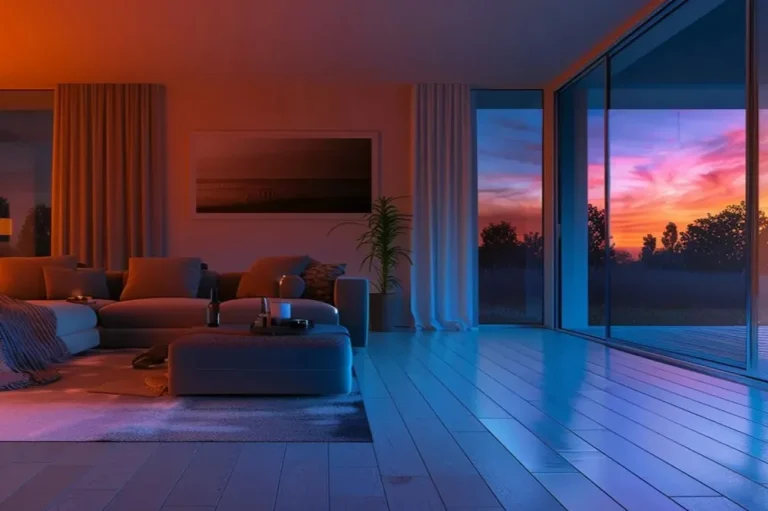
- Blue promotes calm and trust, making it ideal for bedrooms and offices.
- Red sparks excitement and energy, making it great for dining rooms or bold statement walls.
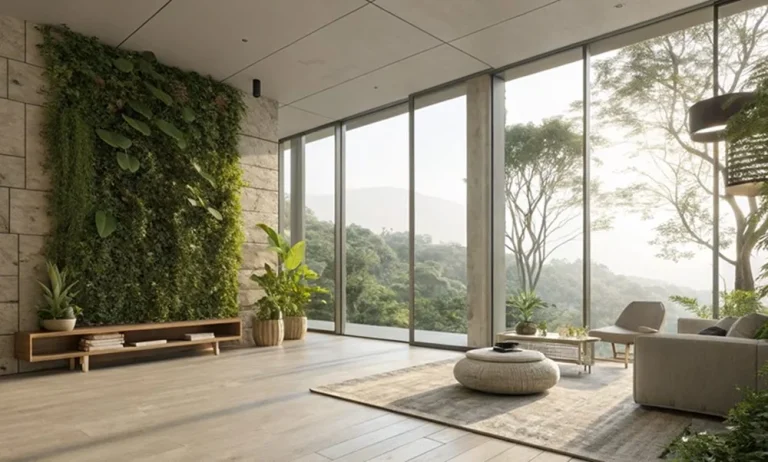
- Green symbolizes balance and nature, perfect for living rooms or biophilic-inspired areas.
- Yellow evokes joy and optimism, making it excellent for kitchens and sunrooms.
- Neutral tones like beige, white, and gray provide a serene foundation.
These psychological responses can even vary by culture or age group—something our experienced team considers during every client project.
Scientific Insight:
According to a study by the National Center for Biotechnology Information, color can influence heart rate, alertness, and cognitive performance (NCBI Study)—a powerful reason to choose wisely.
How to Use Color to Influence Space and Light
Strategic color use can alter how a space feels:
- Small Rooms: Light hues open up space.
- Large Rooms: Darker tones bring intimacy.
- Low Ceilings: Paint ceilings lighter to “lift” them.
- Directional Light: North-facing rooms feel cooler; south-facing rooms welcome warmth.
If you’re redesigning a coastal home in Hollywood, FL or optimizing a narrow downtown office, color is your secret weapon. Learn more in our Office Interior Design services section.
How YOLO Interiors Applies Color Theory
Color decisions at YOLO Interiors are never random. Here’s how we integrate color theory into our personalized design process:
- Holistic Color Palettes:
We develop palettes that align with each client’s preferred interior design style, from calming neutrals in Minimalist homes to bold, rich tones in Luxury Interior Design. - Function-First Color Mapping:
Color selections are based on the purpose of the room, lighting conditions, and the natural behavior of the inhabitants—whether the space is a family home, commercial office, or yacht. Visit our Residential Interior Design and Retail Space Design pages for examples. - Layering With Finishes:
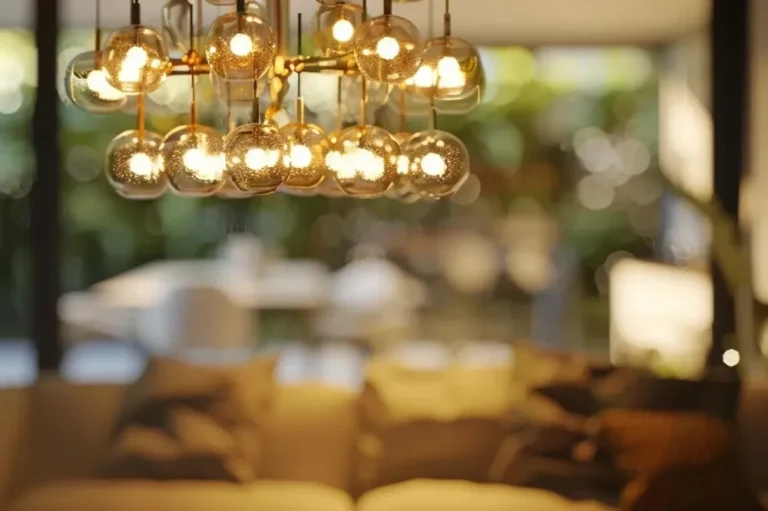
Paint is just the beginning. We balance color through fabrics, flooring, artwork, and lighting. Explore how finishes interact in our guide to Lighting Fixtures.
Common Color Mistakes to Avoid
Even beautiful colors can become design missteps if misused. Some frequent mistakes include:
- Overuse of Bold Colors: Saturated hues in excess can overwhelm the senses.
- Ignoring Undertones: A beige with pink undertones may clash with gray flooring or cabinetry.
- Lighting Oversight: Colors appear different in daylight versus artificial light.
- Misplaced Psychology: Using stimulating colors like red in a bedroom can create unrest.
To avoid these pitfalls, our expert design team guides every client through detailed color consultations and mood board development.
South Florida Design Considerations
Designing interiors in South Florida requires knowledge of both aesthetics and practicality. High humidity, strong sunlight, and coastal architecture influence our color choices.
- Light Neutrals and Whites: Keep interiors feeling cool and bright.
- Ocean Blues and Greens: Tie interiors to the natural landscape.
- High-Performance Finishes: Ensure that vibrant colors don’t fade under intense UV exposure.
As a locally rooted studio serving Fort Lauderdale, Davie, and surrounding areas, we apply color with both beauty and resilience in mind.
Final Thoughts: Color with Purpose
At YOLO Interiors, color isn’t just decoration—it’s part of the design language we use to create homes and environments that feel alive, purposeful, and personal.
Whether you’re designing a tranquil retreat or a vibrant business space, color theory provides the foundation for beautiful, functional design. If you’re ready to explore what color can do for your interiors, get in touch with our team or browse our Project Portfolio for inspiration.
Cited Resource
For further insight into how color affects mood and behavior, the American Psychological Association’s research is a valuable resource. Learn more at The Science of Color.