Lighting is one of the most transformative elements in interior design. It defines ambiance, enhances architectural details, and supports how we live and interact in our spaces. At YOLO Interiors, we believe lighting is both a science and an art, crucial to creating interiors that are not only beautiful but also functional and emotionally resonant.
As leaders in interior design in Fort Lauderdale, we’ve seen firsthand how impactful lighting can redefine a space, from modern beachfront homes to luxury retail environments. In this comprehensive guide, we break down the principles of interior lighting design, types of lighting, fixture selection, and best practices for achieving layered light that supports your space’s purpose and personality. We also highlight our expert process and how it enhances both residential and commercial environments throughout South Florida.
Why Interior Lighting Design Matters
Lighting is far more than illumination; it is an essential tool for mood-setting, safety, and aesthetics. Poor lighting can make even the most stunning interiors feel flat, cold, or uninviting. Thoughtfully designed lighting, on the other hand, elevates materials, emphasizes textures, and energizes or calms, depending on the intention.
Some of the key impacts of interior lighting include:
- Mood Regulation: Lighting affects serotonin levels and circadian rhythms, influencing relaxation and energy.
- Visual Hierarchy: Directional light can highlight focal points such as artwork, architecture, or statement furniture.
- Functionality: Task lighting ensures that spaces like kitchens, offices, and bathrooms are efficient and user-friendly.
- Space Perception: Lighting can visually expand, contract, or reshape a room’s dimensions and layout.
Our design team integrates lighting strategy into every residential interior design or commercial interior design project for maximum impact.
The Three Types of Interior Lighting
To create a cohesive and functional lighting plan, designers use three core types of lighting:
1. Ambient Lighting (General Lighting)
This is the primary source of light in a room—typically overhead fixtures or recessed lighting that ensures general visibility.
Examples:
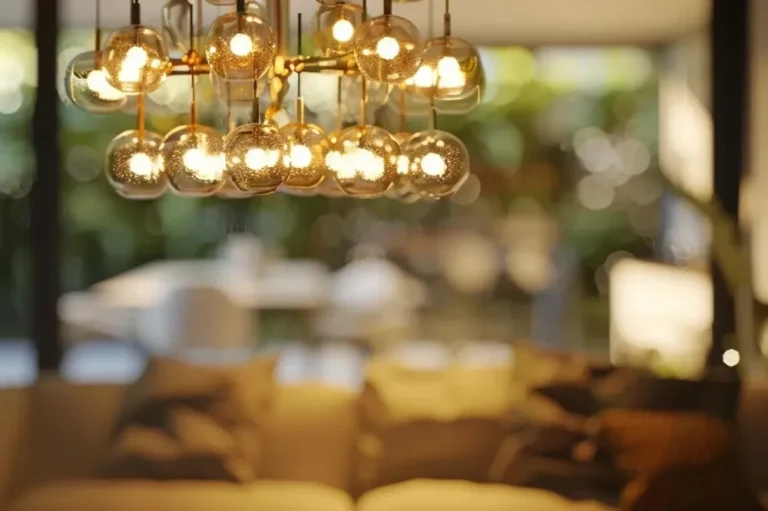
- Ceiling-mounted chandeliers
- Recessed can lights
- Flush-mount fixtures
Ambient lighting sets the foundation for the room’s brightness level and atmosphere. It’s the base layer upon which other lighting types are built.
2. Task Lighting
Designed for function, task lighting helps illuminate specific areas where activities are performed, like cooking, reading, or grooming.
Examples:
- Under-cabinet lights in kitchens
- Desk lamps in offices
- Vanity lights in bathrooms
Task lighting should be well-placed and appropriately bright without creating glare or harsh shadows.
3. Accent Lighting
Accent lighting adds drama, dimension, and focus. It’s used to spotlight design features or add visual interest to corners and surfaces.
Examples:
- Picture lights over artwork
- LED strips along shelving
- Floor uplights on textured walls
Together, these three layers of light work in harmony to create depth, functionality, and ambiance.
How to Choose the Right Fixtures
Lighting fixtures are both utilitarian and decorative. When selecting them, it’s important to balance performance with aesthetics and scale. Here are our guidelines:
- Match the fixture to the space size: Oversized pendants can overwhelm small rooms, while underscaled lights disappear in large open layouts.
- Consider material and finish: Metallics add glamour, while matte textures offer a modern or minimal look.
- Think about light direction: Uplights soften ceilings, downlights focus attention, and diffused lights provide an even glow.
- Coordinate with your design style: From Modern to Traditional, lighting should reflect your aesthetic vision.
Explore our Virtual E-Design Services to receive curated fixture selections aligned with your layout and style.
Room-by-Room Interior Lighting Tips
Different spaces require tailored lighting strategies. Here’s how we approach various zones in the home:
Living Room
- Combine ceiling lights with floor or table lamps.
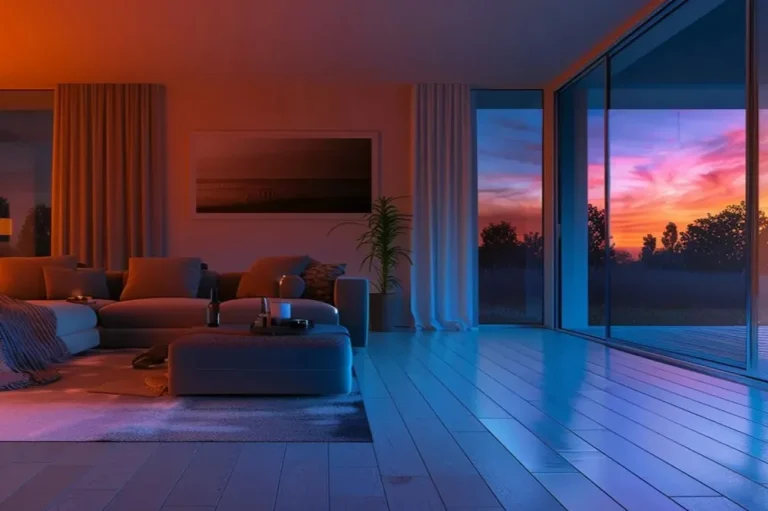
- Use dimmers to control mood based on time of day or activity.
- Highlight wall art or architectural features with accent lights.
Kitchen
- Prioritize task lighting over work areas—especially counters and islands.
- Install under-cabinet lights to reduce shadows.
- Consider pendant lights for visual interest and illumination above islands.
Bedroom
- Layer ambient lighting with soft bedside lamps.
- Use warm tones to encourage relaxation and melatonin production.
- Incorporate dimmable sconces or reading lights.
Bathroom
- Use vertical vanity lights at eye level to eliminate shadows on the face.
- Install waterproof recessed lights for shower areas.
- Maintain balance between brightness and warmth for a spa-like feel.
Looking to update a builder-grade layout? Learn how our Builder Home Interior Design transforms cookie-cutter lighting into luxury.
Lighting Trends and Smart Technology
Modern lighting design increasingly incorporates smart tech, sustainable materials, and flexible systems:
- Smart Controls: Automated dimming, color tuning, and scheduling through mobile apps or voice commands.
- LED Technology: Energy-efficient bulbs with longer lifespan and adjustable color temperatures.
- Integrated Fixtures: Sleek linear lights, hidden LEDs in shelves or cabinets, and recessed channels.
Want to automate your lighting design? Explore our guide on Smart Lighting Controls and Home Automation.
The YOLO Interiors Approach to Lighting Design
At YOLO Interiors, lighting is never an afterthought—it’s built into our design process from concept to completion. Here’s how we do it:
- Customized Lighting Plans: Tailored to each project’s layout, function, and design goals.
- Fixture Sourcing & Coordination: We help clients choose from trusted brands and innovative lighting solutions.
- Integrated Styling: Light complements everything—from window treatments to wall finishes.
- On-Site Implementation: Our designers work with electricians and contractors to ensure flawless placement and performance.
Whether you’re designing a new home, outfitting a boutique hotel, or renovating a retail space, lighting is the secret ingredient that completes the picture.
Final Thoughts: Light as a Design Language
Lighting is the soul of interior design—it guides attention, sculpts emotion, and breathes life into every space. Whether subtle and serene or bold and theatrical, your lighting design should reflect both form and function.
YOLO Interiors brings years of expertise and a deep understanding of light behavior into every project we touch. Ready to bring brilliance into your space? Contact us today or browse our Project Portfolio for inspiration.