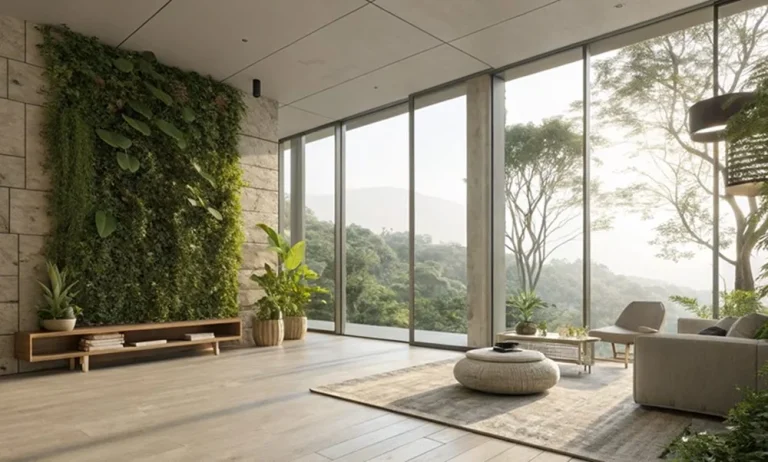
Furniture is one of the most important design elements in any interior space. It shapes the layout, supports daily function, and defines a room’s overall aesthetic. At YOLO Interiors, we approach furniture selection as a curated process that balances style, comfort, and practical design solutions tailored to your lifestyle.
Whether you’re redesigning a cozy condo in Davie or furnishing a high-end retail space in Fort Lauderdale, our expert designers guide you through each step—from initial layout to material selections. As a leading authority on interior design in Fort Lauderdale, we bring deep local insight and personalized design expertise to every project. In this guide, we walk you through professional strategies to select furniture that not only looks exceptional but also lives well.
Why Furniture Selection Matters in Interior Design
Choosing furniture is more than just picking out beautiful pieces—it’s about aligning form with function and ensuring your home or business meets the needs of its users.
Thoughtful furniture choices:
- Define Zones and Traffic Flow
Furniture helps separate open-concept spaces into distinct areas (like dining vs. lounging), and the arrangement guides movement throughout the room. - Reinforce Interior Design Styles
Whether your aesthetic leans modern and minimal or traditional and timeless, your furnishings set the tone. - Support Functionality
From ergonomic chairs in a home office to the right-sized dining table for entertaining, furniture enables a space to serve its purpose effectively. - Promote Comfort and Wellness
Well-chosen pieces support posture, provide relaxation, and contribute to a stress-free environment. - Create Visual Balance
Furniture scale, placement, and materiality can balance architectural features, wall treatments, and lighting design.
As experts in interior design in Fort Lauderdale, we help our clients achieve a perfect balance of form and function.
Step 1: Assess Your Space and Purpose
Before choosing furniture, you must understand how the space will be used and who will be using it.
Key Considerations:
- Room Dimensions
Measure the length, width, and ceiling height. Include doors, windows, and any architectural features like columns or fireplaces. - Functionality Requirements
Consider how the space will be used—do you need seating for large gatherings, a reading nook, or dual-purpose furniture in a small apartment? - User Needs and Behavior
Think about the number of users, their age (children or seniors), pets, and any accessibility needs. - Lighting and Orientation
Natural light impacts material selection and color perception. South-facing rooms get more consistent sunlight, while north-facing spaces may require lighter, reflective finishes.
This step is essential to every residential interior design project we take on. It ensures the right pieces are selected from the start.
Step 2: Identify Your Design Style
Furniture must complement your interior design style. This ensures visual consistency and coherence throughout your space.
Style Guidelines:
- Modern Design
Emphasizes simplicity, clean lines, and neutral colors. Opt for low-profile sofas, sleek tables, and minimalist accent pieces. - Traditional Design
Rich woods, rolled arms, carved detailing, and classic silhouettes make this style feel warm and timeless. - Scandinavian Design
Natural materials, light woods, functional simplicity, and a soft neutral palette define this style. Great for serene, airy environments. - Luxury Interiors
Think velvet upholstery, metallic finishes, and custom statement pieces. This style is bold, elegant, and always upscale.
Our interior design style guide can help you explore and define the look that resonates with you.
Step 3: Start with Anchor Pieces
Anchor pieces are the largest and most essential furniture items in a room. They set the tone for scale, style, and layout.
Anchor Piece Insights:
- Sofas and Sectionals
Choose size and shape based on your room’s dimensions and how you entertain. L-shaped sectionals work great for open plans, while a three-seater might be better for smaller living rooms. - Beds
Consider the size of the headboard, bed frame, and clearance space. A platform bed suits modern interiors, while a four-poster enhances a classic setting. - Dining Tables
Think about hosting needs and circulation space. Round tables encourage conversation, while rectangular ones suit larger groups.
Once the foundational pieces are in place, you can build around them with accent furniture and accessories.
Step 4: Choose Materials for Lifestyle and Longevity
The finish, fabric, and durability of a piece directly affect its practicality and lifespan.
Material Selection Tips:
- High-Traffic Areas
Go for durable upholstery like performance fabrics or treated leather that resists wear and stains. - Pet and Kid-Friendly Spaces
Opt for microfiber, crypton fabrics, or slipcovers that are washable and durable. - Outdoor Areas
Use furniture made from weather-resistant materials such as powder-coated aluminum, teak, or marine-grade polymers. See our Outdoor Living Design for more inspiration. - Commercial and Hospitality Settings
Contract-grade finishes ensure durability and safety. Browse our hospitality design services for examples.
For eco-conscious clients, we also help source sustainable materials through our sustainable interior design approach.
Step 5: Scale and Proportion Matter
The visual balance of your room depends on proper furniture scale and spacing.
Proportion Planning Tips:
- Map It Out First
Use painter’s tape to outline furniture on the floor to visualize fit and flow. - Balance Height and Width
Mix tall elements like bookcases with low-profile seating to avoid a top-heavy room. - Leave Breathing Room
Allow at least 18–24 inches between seating and coffee tables, and 30–36 inches for main pathways. - Use Symmetry for Formality
Mirrored nightstands or paired armchairs create formality, while asymmetry adds a contemporary, relaxed vibe.
If you’re unsure, our Virtual E-Design Services include detailed furniture layouts that ensure optimal spacing and comfort.
Step 6: Accentuate with Style and Function
Accent furniture brings personality, color, and versatility to your interior.
Examples of Accent Furniture:
- Side Tables and Ottomans
Provide extra function and visual balance. Ottomans can serve as footrests, coffee tables, or storage units. - Benches and Consoles
These versatile pieces can be styled at entryways, behind sofas, or at the foot of a bed. - Accent Chairs
Add a splash of color or texture and serve as standalone focal points.
Accents are best complemented by window treatments and wall textures that layer depth and style into your space.
Final Shopping Considerations
Before making final decisions or purchases, keep the following best practices in mind:
- Measure Everything Twice
Ensure all pieces will fit through doorways, elevators, and staircases. - Request Samples
Order fabric swatches and wood samples to test them in your natural lighting before buying. - Test for Comfort
Whenever possible, sit, recline, or lie down on furniture before committing. - Read Return Policies and Warranties
Especially important for online or custom orders.
Our team manages all of these details for clients—whether furnishing a new construction home or staging a luxury real estate property.
Final Thoughts: Furnish with Purpose and Passion
Furniture is more than décor—it’s the foundation of your everyday comfort and expression. By following these guidelines, you can select pieces that elevate your space while meeting your needs.
At YOLO Interiors, we treat furniture as part of a broader story—one that connects your lifestyle, aesthetic, and vision. Whether you’re furnishing your forever home or designing a business that makes a statement, our expert team is ready to help.
Explore our project portfolio for real-life examples, or contact us to get started with a customized furniture plan.